Moon orchid (Phalaenopsis amabilis)
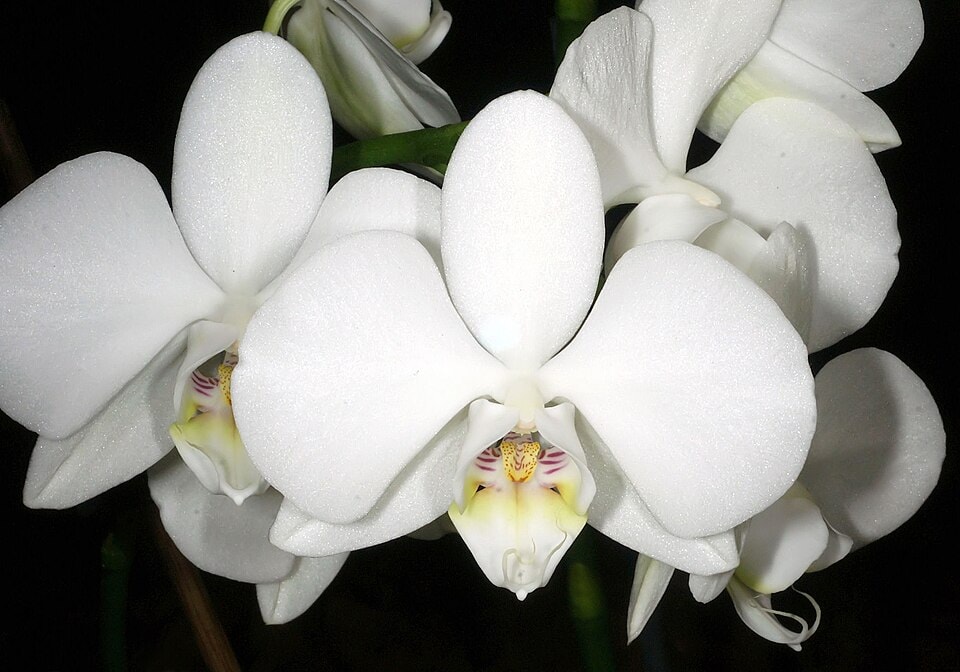
Moon orchid Phalaenopsis amabilisPhoto: Orchi · CC BY-SA 3.0

Premium · flowering

Moon orchid

Phalaenopsis amabilis

Also found as Phalaenopsis amabilis (L.) Blume · Epidendrum amabile

Moon orchid (Phalaenopsis amabilis) is a flowering companion plant. Its care profile below covers light, water, temperature, humidity, substrate, feeding, seasonal care, propagation, and household placement.

Typical placement
A phalaenopsis orchid display with the stated light, temperature, water, and drainage conditions
Care
Accessible orchid care · Phalaenopsis orchid
Everyday size
Usually a tabletop, windowsill, or floor specimen; flowering size varies by species.
Collector class
Premium
Seller listings
No verified seller listed

Botanical identity

One canonical record.

Names, aliases, lineage, and care information are organized here under one companion plant record.

Genus
Phalaenopsis
Family
Orchidaceae
Genetic status
Species
Propagation forms
Division · Seedling · Tissue culture
Plant form
Representative photograph
Information checked
2026-07-31

Household safety

ASPCA-listed non-toxic to cats and dogs

The applicable botanical record is listed by ASPCA as non-toxic to cats and dogs. Eating any plant material can still cause vomiting or gastrointestinal upset.

The ASPCA listing does not establish child or human edibility. Keep decorative plants out of reach and do not ingest.

Read the complete safety guidance

Practical care guide

How to care for Moon orchid

Phalaenopsis orchid guidance translated into an everyday growing plan.

Accessible orchid care
Light
Bright filtered light; an east window or shaded south/west exposure works well
Water
Water thoroughly as the bark approaches dryness; never leave the crown or pot standing wet
Temperature
Warm days and nights above about 16°C (16–30°C)
Humidity
Moderate humidity with airflow (40–70%)
Potting medium
Fresh orchid bark or a suitable airy orchid medium
Drainage
Immediate drainage and plentiful air around the roots
Feeding
Weak orchid fertilizer regularly during active growth
Pruning and grooming
Keep water out of the crown; cut fully brown spikes and roots with sterile tools
Seasonal rhythm
A few weeks of cooler autumn nights can initiate spikes in many types
Propagation
Keikis or specialist seed culture; routine division is not used
Travel planning
Usually tolerates seven to ten days after a thorough watering
Common watch-outs
Spider mites · Mealybugs · Scale insects · Fungus gnats when the root zone stays too wet · Root rot from poor drainage · Leaf spotting where foliage remains wet without airflow
Safety and placement

A clear household plan

Exact scientific-name ASPCA record located; this statement applies to cats and dogs only.

Pets
The applicable botanical record is listed by ASPCA as non-toxic to cats and dogs. Eating any plant material can still cause vomiting or gastrointestinal upset.
Children
The ASPCA listing does not establish child or human edibility. Keep decorative plants out of reach and do not ingest.
Handling
Normal gardening hygiene: wash hands after handling and avoid eye or mouth contact.
Placement
A reasonable choice for cat- or dog-aware homes when the plant, container, and any support are still placed securely.
If exposure happens
If a person chews the plant, contact Poison Control at 1-800-222-1222. For animal exposure, call a veterinarian or ASPCA Animal Poison Control at 1-888-426-4435; urgent breathing, collapse, seizure, or severe swelling requires emergency care.

Scenes

See Moon orchid in three settings.

Open the image for a larger view. On a phone, swipe sideways to move through each setting.

Moon orchid

Refined living room · Bright architectural entryway · Sheltered patio

Use the centered arrows or swipe sideways to move through all three settings.

Verified availability only

No verified seller is listed today.

Vendor, price, stock, pre-order, and waiting-list information appears only after the exact listing and seller terms are confirmed.

Back to My Catalog Place